
Electricity is a big part of our daily life. We use it at home, at work, in schools, and almost everywhere we go. But many people do not know how Electrical Systems actually work. This guide will help you understand the basics in a simple, clear, and easy way.
You do not need a technical background. You do not need engineering knowledge. All you need is curiosity and a few minutes to read.
Let’s start with the fundamentals.
What Are Electrical Systems?
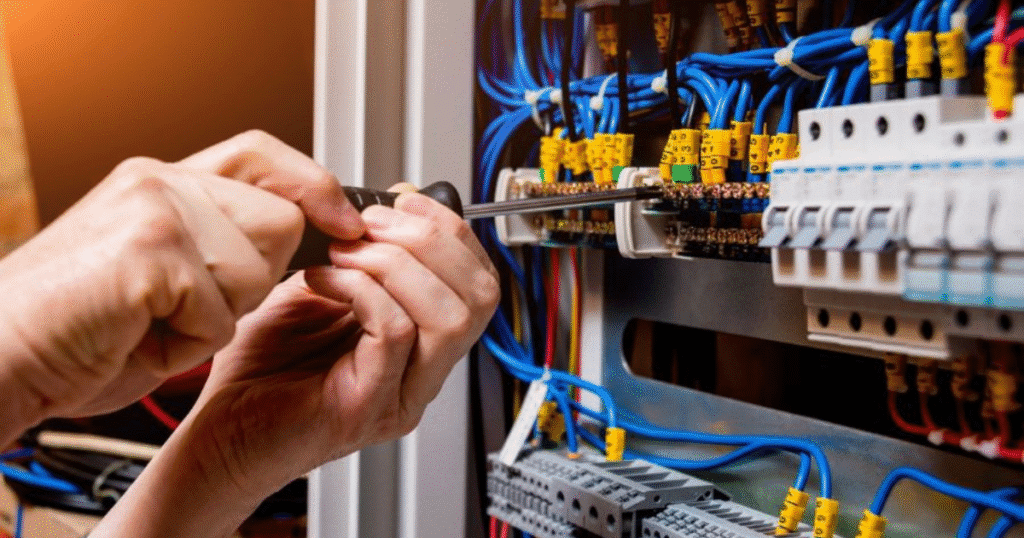
Electrical Systems are networks that move power from one place to another. These systems let us use electricity to run lights, fans, computers, TVs, machines, and more.
A system may be small, like the wiring inside a house. Or it can be large, like the power systems that supply a whole city.
In simple words:
Electrical Systems carry, control, and deliver electricity safely.
They are used in:
- Homes (domestic electrical setups)
- Offices (office electrical wiring)
- Factories
- Schools
- Hospitals
- Power plants
No matter where we are, some type of electrical system is always working around us.
Why Learning About Electrical Systems Matters
You may think electrical work is only for experts. But learning the basics helps you in many ways:
- You can spot risks and stay safe.
- You understand how devices work.
- You save money by solving small problems.
- You make smart choices when buying appliances.
- You learn how to reduce electricity use.
Basic knowledge helps you use power safely and wisely.
How Electricity Works: Explained in Simple Words

Before learning about Electrical Systems, you must know how electricity moves.
Electricity flows like water.
It moves from a high level to a low level.
Here are the three key terms:
1. Voltage (V)
Voltage is the “pressure” that pushes electricity through wires.
2. Current (A)
Current is the amount of electricity flowing in a wire.
3. Resistance (Ω)
Resistance slows down the flow of electricity.
They all work together to run your devices.
Main Parts of Electrical Systems
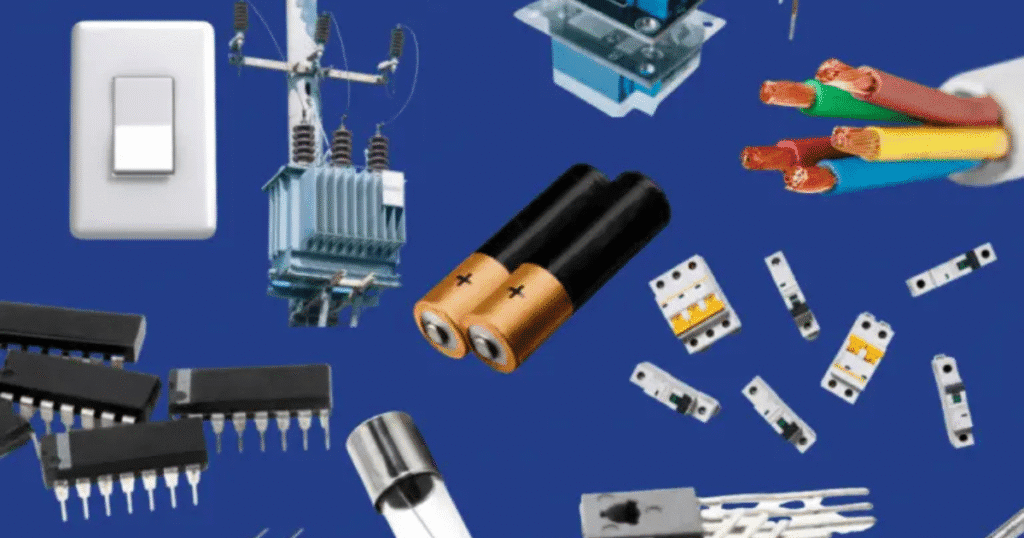
Now, let’s look at the important parts found in most power systems, homes, or offices.
1. Power Source
This is where electricity comes from.
Common sources include:
- Power plants
- Solar panels
- Generators
- Batteries
Without a power source, no electrical system can work.
2. Conductors (Wires)
Wires carry the electric current.
Most wires are made of copper or aluminum because they conduct electricity well.
3. Switches
Switches control electricity.
They can turn the flow ON or OFF.
Examples:
- Light switches
- Button switches on devices
- Circuit switches
4. Load (Devices That Use Electricity)
The load is the part that uses the power.
Examples:
- Bulbs
- Fans
- Laptops
- AC units
- Chargers
Loads convert electrical energy into light, heat, or motion.
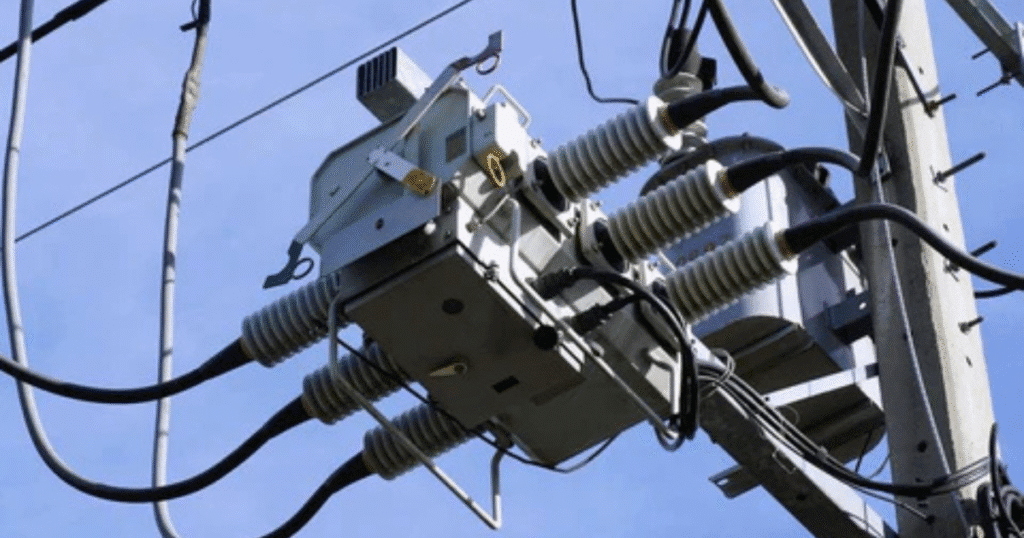
5. Protection Devices
Safety is the most important part of any system.
These devices protect us from accidents.
Common protection devices:
- Fuses
- Circuit breakers
- Earth leakage devices
They disconnect power when something goes wrong.
Understanding the Electrical System in Homes
Let’s look at domestic electrical systems in simple words.
When electricity enters your house:
- It passes through the main breaker.
This controls all power in the house. - It goes to the distribution board.
This board sends electricity to different rooms. - Each circuit powers lights, fans, or plugs.
- Switches and sockets control the flow.
This system keeps your home running smoothly.
Office Electrical Systems: What’s Different?
Office electrical setups are similar to home systems but bigger and more advanced.
They need:
- More power
- More circuits
- Backup electrical options
- Stronger wiring
- Safety devices
Offices also use many computers, printers, scanners, routers, and AC units at the same time.
That is why office electrical wiring must be strong and safe.
How Power Systems Work in Cities
Large power systems supply electricity to cities and towns.
The process looks like this:
- Power plants produce electricity.
They use coal, gas, water, or sunlight. - Transformers increase the voltage.
High voltage travels long distances quickly. - Transmission lines carry power.
- Substations reduce the voltage.
- Electricity reaches homes, offices, and factories.
This system must run 24/7 to keep everything working.
Common Electrical Problems and Simple Fixes
Don’t worry — these are simple to understand.
1. Flickering Lights
Cause: Loose bulb or wire.
Fix: Tighten the bulb or call a technician.
2. High Electricity Bill
Cause: Old appliances or poor wiring.
Fix: Use LED bulbs and energy-saving devices.
3. Tripped Circuit Breaker
Cause: Overloaded circuit.
Fix: Turn off unused devices.
4. Hot Sockets
Cause: Faulty wiring.
Fix: Stop use immediately and call an electrician.
5. Power Outages
Cause: Supply issue or major fault.
Fix: Wait or contact the power company.
Safety Tips for Handling Electrical Systems
Electricity is useful but dangerous.
Follow these rules:
- Never touch wires with wet hands.
- Do not overload sockets.
- Switch off power before repairs.
- Keep wires away from water.
- Use certified electrical products.
- Call a professional for major issues.
Safety first — always.
Tools Used in Basic Electrical Work
Here are simple tools you should know:
- Screwdrivers
- Plier
- Voltage tester
- Electrical tape
- Wire cutter
- Multimeter
These tools help in basic checks and simple fixes.
How Electrical Systems Improve Daily Life
Electrical Systems make everything easier:
- Lights make homes safe and bright.
- Fans and AC keep us cool.
- Phones stay charged.
- Computers help us work faster.
- Machines reduce effort.
Electricity supports modern life in every way.
The Future of Electrical Systems
The world is moving toward smarter, cleaner systems.
Here’s what’s coming:
- Smart homes
- Smart meters
- Solar-powered systems
- Energy-efficient appliances
- Wireless power transfer
The future will be safe, fast, and eco-friendly.
Conclusion
Understanding Electrical Systems is important for everyone.
With just simple knowledge, you can stay safe, solve small issues, and make smart choices at home or work.
Electricity runs our world.
Learning how it works helps you use it better every day. Discover more in this guide on the role of electric technology in renewable energy.
FAQs
What is an Electrical System?
An Electrical System is a network that carries and controls electricity to power devices.
Why should beginners learn about Electrical Systems?
It helps with safety, problem-solving, and smart energy use.
What are the main parts of an Electrical System?
Power source, wires, switches, loads, and protection devices.
What is the difference between home and office electrical systems?
Office systems need more power and stronger wiring.
Are Electrical Systems dangerous?
Yes, if used wrongly. But with simple safety steps, risks can be reduced.