

Electricity is part of our daily life. Lights, fans, chargers, machines, and even simple household tools all rely on well-designed Electrical Systems. For beginners, understanding how these systems work can feel overwhelming at first. Wires, switches, voltage, and safety rules may seem confusing. I remember feeling the same way when I first explored electrical fundamentals. But once I broke things down into simple systems, everything started to make sense.
This article is a complete beginner guide that explains the 10 basic electrical systems every learner should understand. Each system is presented clearly, with real-life examples and practical insights, so that you can build strong fundamentals step by step.
What Do the Electrical Systems Mean
Electrical Systems are organized arrangements of electrical components that generate, control, distribute, or use electrical power. These systems work together to make devices and buildings function safely and efficiently.
In simple terms:
- An electrical system supplies power
- It controls how power flows
- It protects people and equipment
- It delivers energy where it is needed
When we talk about Basic Electrical Systems, we mean the most common and essential setups that beginners encounter first. These systems form the foundation of all advanced electrical work.
Understanding these systems helps you move from confusion to clarity. It turns abstract theory into practical knowledge.
Why Electrical Systems Are Important
Learning about electrical systems is important for many reasons:
1. Safety Awareness
Electrical accidents often happen due to a poor understanding. Knowing how systems work helps prevent shocks, short circuits, and fires.
2. Strong Electrical Fundamentals
All advanced concepts depend on basic systems. Without a foundation, progress becomes difficult.
3. Real-World Understanding
From homes to factories, electrical systems are everywhere. This knowledge helps you understand your surroundings.
4. Career and Skill Development
Electricians, engineers, technicians, and hobbyists all rely on these basics.
5. Confidence in Hands-On Work
Once you understand systems, you feel confident handling small repairs or projects.
According to safety research, most electrical faults come from basic wiring or grounding mistakes, not complex systems. This proves why beginners must focus on fundamentals first.
Key Benefits of Understanding Basic Electrical Systems
Learning these systems gives you long-term benefits:
- Clear understanding of how electricity flows
- Improved safety and risk awareness
- Ability to read basic diagrams
- Strong base for practical projects
- Easier learning of advanced electrical topics
- Better troubleshooting skills
From my own experience, once I understood basic power distribution and protection systems, even complex circuits felt less intimidating.
Beginner Guide to Electrical Systems
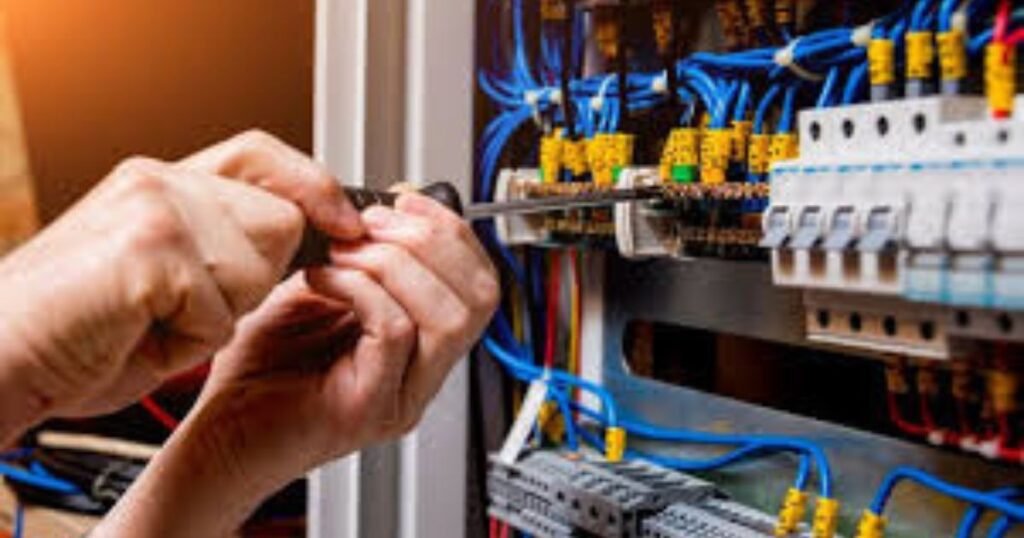
Before exploring the 10 systems, follow this simple beginner’s guide. These steps help you understand any electrical setup.
Understand the Power Source
Every electrical system starts with a power source. It can be a battery, generator, or main supply.
Identify Conductors
Wires carry electricity. Each wire has a purpose.
- Live wire
- Neutral wire
- Earth wire
Learn Control Components
Switches, relays, and breakers control current flow.
Recognize Load Devices
Loads consume power. Examples include bulbs, motors, and appliances.
Know Protection Methods
Fuses, circuit breakers, and grounding protect systems and users.
This step-by-step approach builds strong electrical fundamentals and helps beginners learn safely.
10 Basic Electrical Systems Every Beginner Should Understand
Below are the most important Basic Electrical Systems explained in a simple, beginner-friendly way.
1. Power Generation System
This system produces electricity.
Examples
- Power plants
- Solar panels
- Wind turbines
- Generators
How It Works
Energy is converted into electrical power. Mechanical or chemical energy becomes electricity.
This is where all Electrical Systems begin.
2. Power Distribution System
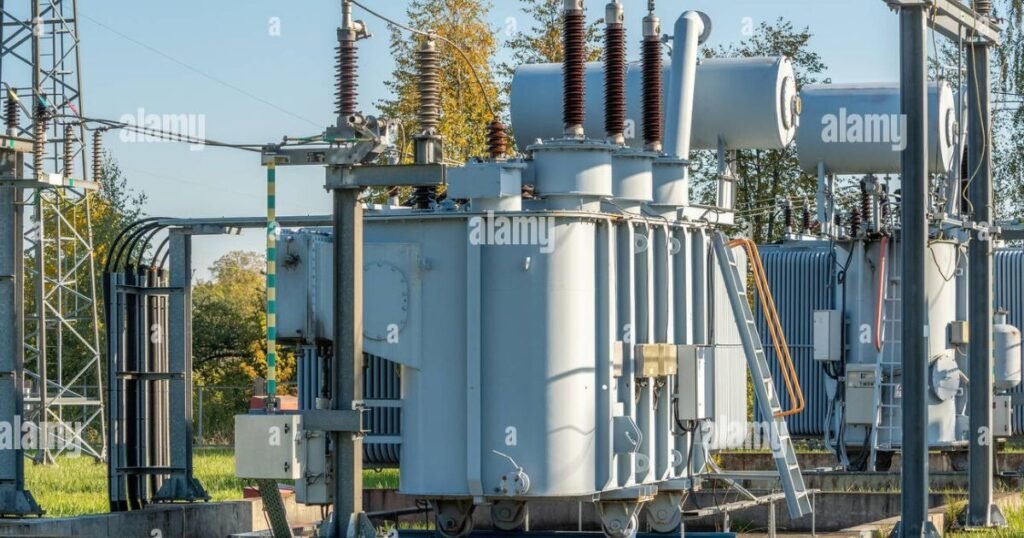
This system delivers electricity from the source to users.
Key Components
- Transmission lines
- Transformers
- Distribution panels
Why It Matters
Without proper distribution, electricity cannot reach homes or industries.
In many countries, over 60% of power losses happen during distribution, showing how critical this system is.
3. Residential Wiring System
This system powers homes and apartments.
Includes
- Wall sockets
- Light points
- Switch boards
- Circuit breakers
Why Beginners Should Learn It
Home wiring is the most common electrical system people interact with daily.
Understanding it helps you identify faults safely.
4. Lighting System
Lighting systems provide illumination.
Components
- Light fixtures
- Switches
- Dimmers
- Wiring
Types
- Indoor lighting
- Outdoor lighting
- Emergency lighting
This is often the first system beginners work with because it is simple and visible.
5. Earthing and Grounding System
This system protects people from electric shock.
Purpose
- Diverts fault current to the ground
- Prevents electric shock
- Protects appliances
Important Fact
Most electrical injuries happen due to poor grounding.
This system is a core part of electrical safety.
6. Protection System (Fuses and Circuit Breakers)
Protection systems prevent damage.
Components
- Fuses
- MCBs
- RCCBs
How It Works
When the current exceeds safe limits, the system disconnects power automatically.
This system saves lives and equipment.
7. Control System
Control systems manage electrical operations.
Examples
- Switches
- Timers
- Relays
- Contactors
Why It Matters
Control systems allow automation and efficient energy use.
This system is the heart of many modern Electrical Systems.
8. Motor Control System
Motor systems convert electrical energy into motion.
Used In
- Fans
- Pumps
- Machines
Basic Elements
- Motor
- Starter
- Overload protection
Learning this system helps beginners understand industrial applications.
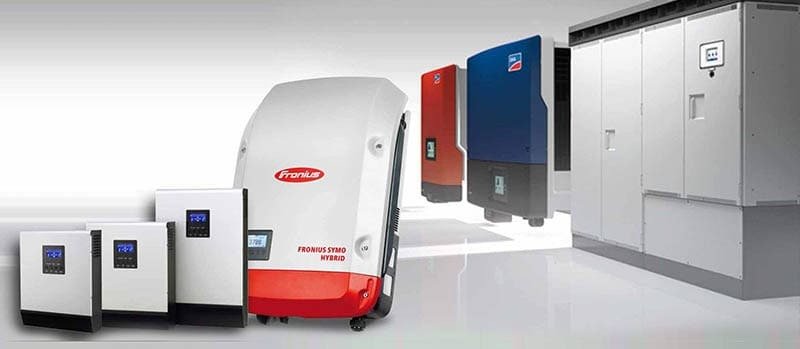
9. Backup Power System
This system provides power during outages.
Examples
- UPS
- Inverters
- Backup generators
Why It Is Important
Power interruptions can damage equipment and disrupt life.
Backup systems ensure continuity.
10. Low Voltage and Safety Systems
These systems operate at low voltage levels.
Examples
- Doorbells
- Alarm systems
- CCTV systems
Why Beginners Start Here
Low-voltage systems are safer and ideal for learning.
They build confidence and hands-on skills.
Practical Tips for Beginners
Here are proven tips from real experience:
- Always turn off the power before working
- Use insulated tools
- Learn wire color codes
- Label wires clearly
- Start with low-voltage systems
- Follow safety standards
- Practice hands-on learning regularly
These habits strengthen your beginner guide journey and prevent mistakes.
Common Mistakes to Avoid
Beginners often make these errors:
1. Ignoring Grounding
Never skip earthing.
2. Overloading Circuits
Too many devices cause overheating.
3. Using Wrong Wire Sizes
Incorrect wire gauge leads to fire risk.
4. Skipping Safety Devices
Never remove fuses or breakers.
5. Rushing the Learning Process
Electrical knowledge builds step by step.
Avoiding these mistakes improves safety and confidence.
Real-Life Example / Mini Case Study
A friend of mine once faced frequent power trips at home. He thought the main supply was faulty. After checking, we found that multiple heavy appliances were connected to a single circuit.
What We Did
- Identified the distribution panel
- Checked load balance
- Separated high-power devices
- Installed a proper circuit breaker
Result
- No more power trips
- Improved safety
- Reduced wire heating
This simple case shows how understanding Basic Electrical Systems can solve real problems effectively.
Conclusion
Understanding Electrical Systems is essential for anyone starting their journey in electrical learning. These ten systems explain how electricity is generated, distributed, controlled, and used safely. When beginners focus on electrical fundamentals, they build confidence, improve safety awareness, and gain practical skills that last a lifetime.
Each Electrical Systems acts as a building block, preparing you for advanced topics and real-world applications. By learning step by step and practicing regularly, even complex electrical concepts become easy to understand.
FAQs
What are Electrical Systems in simple words?
Electrical Systems are organized setups that generate, control, and use electricity safely and efficiently.
Why should beginners learn electrical fundamentals first?
Electrical fundamentals help prevent accidents and make advanced learning easier.
Are basic electrical systems dangerous to learn?
Low-voltage systems are safe when basic safety rules are followed.
How long does it take to understand basic electrical systems?
With regular practice, beginners can understand the basics within a few weeks.
Can this knowledge help in daily life?
Yes. It helps with troubleshooting, safety awareness, and understanding home electrical setups.
Mini Disclaimer
This article is for educational purposes only. Always follow safety standards and consult a qualified professional for high-voltage work.
Author-Style Closing Note
Thank you for reading this guide. I wrote this article to make complex learning systems simple and clear. If you need more articles or want custom educational content, feel free to ask anytime.