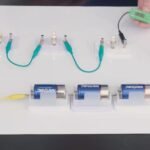

Electricity powers almost everything around us, from small phone chargers to huge industrial machines. If you want to understand how devices work, you must first learn the fundamentals of Electric Circuits. These circuits form the backbone of every electrical system. Whether you are a student, a hobbyist, or someone exploring electronics for fun, learning basic electric circuits will help you build confidence and experiment with real-world applications.
When I started working with electronics, I remember how confusing wires, resistors, and switches felt. But once I learned simple circuits step by step, everything became clear. In this guide, I’ll share the same beginner-friendly approach that helped me, using clear explanations, examples, and practical tips you can apply right away.
What Does An Electric Circuit Mean

Electric Circuits refer to pathways through which electric current flows. A circuit consists of components connected in a loop, allowing electricity to flow from a power source through the components and back again.
In simple words:
- An electrical circuit is similar to a road.
- If the road is complete, electricity moves.
- If the road is broken, electricity stops.
Circuits can be elementary, like a battery connected to an LED, or highly complex, powering entire buildings and machines. Beginners usually start with simple circuits to understand how electricity behaves before moving to advanced designs.
Why Electric Circuit important
Learning basic electric circuits is important for several reasons:
Helps You Understand Everyday Devices
Everything from your doorbell to your TV relies on circuits.
Builds Strong Fundamentals
Before learning advanced electronics, you must understand simple circuit behavior.
Boosts Hands-On Learning
Working with real components improves confidence and practical skills.
Helps You Experiment Safely
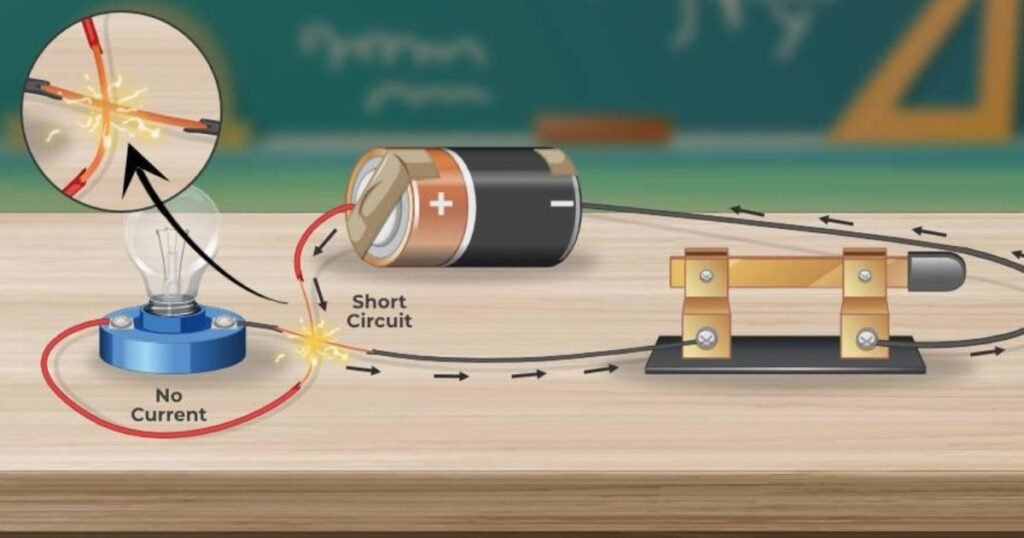
Knowing the correct way to connect components reduces the risk of short circuits, overheating, or damage.
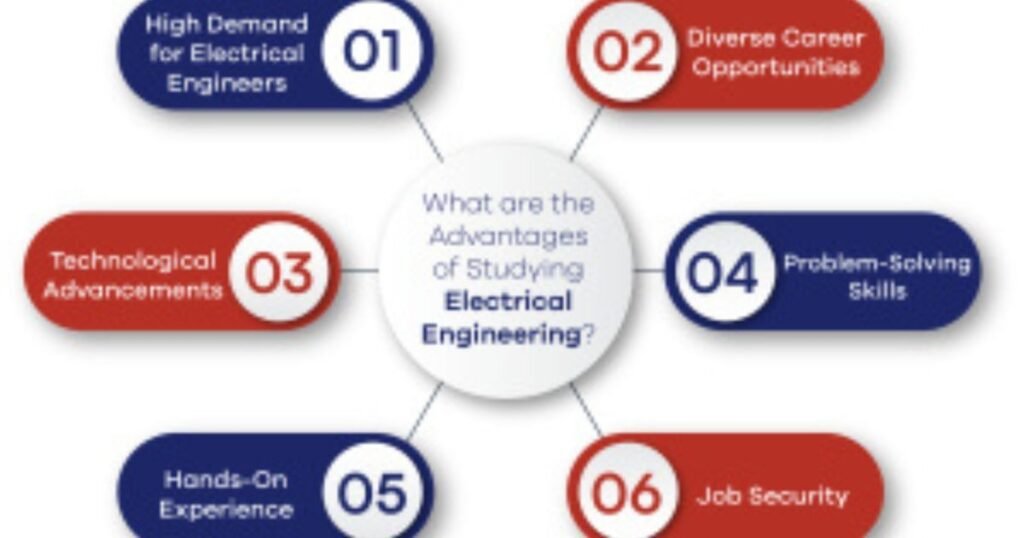
Opens the Door to Engineering Fields
Whether you pursue Electrical Engineering, robotics, or automation, circuits are the starting point.
Even in my own journey, understanding simple circuits helped me troubleshoot household devices and later build complex electronic projects confidently.
Key Benefits of Learning Basic Electric Circuits
Here are the core benefits you gain as a beginner:
1. Clear Understanding of Electricity Flow
Once you learn how current moves, you can design circuits more effectively.
2. Ability to Build Simple Projects
From LED blinkers to small alarms these circuits are your first step into creating things.
3. Problem-Solving Skills
Understanding circuits helps you diagnose faults and fix electrical issues with confidence.
4. Strong Foundation for Advanced Learning
It prepares you for types of circuits like:
- Series circuits
- Parallel circuits
- AC circuits
- Digital circuits
- Control circuits
5. Improved Safety Awareness
Knowing how circuits work teaches you the safe way to handle electronic components.
Guide to the 9 Basic Electric Circuits Every Beginner Should Know
Below is a complete guide to the most important Electric Circuits every beginner must understand.
1. Simple LED Circuit
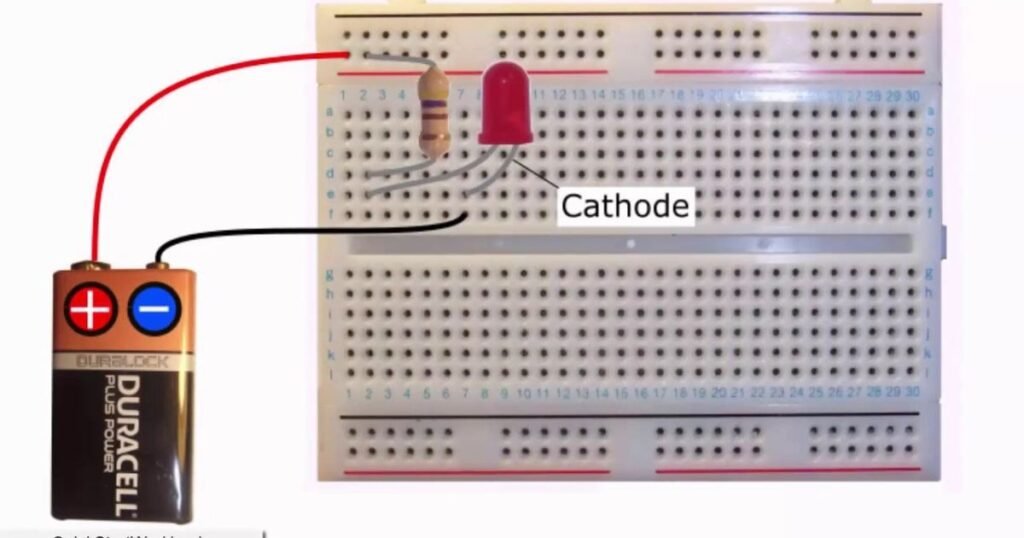
This is the easiest and most common beginner circuit.
Components Needed
- 9V battery
- LED
- 330Ω resistor
- Wires
How It Works
- The battery provides the electrical energy.
- The LED is shielded from excessive current by the resistor.
- The LED glows when the circuit is complete.
Steps
- Connect the resistor to the LED’s positive leg.
- Attach the resistor’s opposite end to the battery’s positive terminal.
- Connect the LED’s negative leg to the battery’s negative terminal.
This simple circuit teaches you polarity, current flow, and basic safety.
2. Series Circuit
A series circuit connects components one after another.
Key Feature
- Only one pathway for current.
Steps
- Connect two or more bulbs in a line.
- Connect the chain to a battery.
If one bulb burns out, all bulbs stop working. This teaches voltage division and current behavior.
3. Parallel Circuit

A parallel circuit provides multiple paths for current.
Key Feature
- Each component gets full voltage.
Steps
- Connect bulbs side by side.
- Connect each bulb’s positive terminal to the battery’s positive.
- Connect each bulb’s negative terminal to the battery’s negative.
If one bulb fails, the rest keep working just like home wiring.
4. Switch-Controlled Circuit
This introduces you to controlling electricity flow.
Steps
- Connect the switch between the battery and the LED.
- Opening the switch breaks the circuit.
- Closing it completes the circuit.
Learning switches help in creating alarms, fans, and home automation.
5. Light-Dependent Resistor (LDR) Circuit
LDR circuits detect light.
Real-World Use
- Automatic street lights
- Night lamps
Steps
- Connect an LDR in series with a resistor.
- Add an LED in parallel.
- Observe the LED brightness change with light.
6. DC Motor Control Circuit
This is the foundation of robotics.
Components
- DC motor
- Battery
- Switch
Steps
- Connect the motor to the battery.
- Add a switch to control its ON/OFF movement.
You learn the basics of electromagnetism and rotation.
7. Buzzer Alarm Circuit
This introduces you to sound-based circuits.
Steps
- Connect buzzer + battery + switch.
- Close the switch to activate the sound.
You can expand this into door alarms or sensor-based systems.
8. Capacitor Charging and Discharging Circuit
This teaches energy storage and timing.
Steps
- Connect a capacitor and a resistor to a battery.
- Use a multimeter to observe voltage changes.
- Disconnect the battery and watch it discharge.
This is foundational to blinking LEDs and timing circuits.
9. Transistor Switch Circuit
A transistor acts like an automatic switch.
Steps
- Connect transistor base to a small input (low voltage).
- Connect motor or LED to collector.
- Observe how a small current controls a larger load.
This principle powers millions of types of circuits in modern devices.
Practical Tips for Beginners
Here are helpful tips from my own experience with circuits:
Start Slow
Begin with simple circuits and gradually move to more complex ones.
Use Breadboards
They let you build circuits without soldering.
Double-Check Polarity
LEDs, capacitors, and batteries have positive and negative sides.
Use Proper Resistor Values
Incorrect values can burn components.
Keep a Multimeter
This tool helps you measure voltage, current, and resistance.
Practice Hands-on Learning
The more you build, the better your understanding becomes.
Common Mistakes to Avoid
Beginners often repeat the same errors:
Wrong Battery Voltage
Too much voltage can destroy LEDs or ICs.
No Resistor with LED
This causes instant burnout.
Loose Connections
Loose wires break the circuit.
Mixing Series and Parallel Without Understanding
Each behaves differently.
Ignoring Safety
Avoid touching exposed wires when testing power circuits.
Real-Life Example / Mini Case Study
A few years ago, I helped a student named Bilal who wanted to build a simple night lamp. He understood LEDs but never worked with sensors. I guided him step-by-step using an LDR circuit:
Circuit Goal:
Automatically turn ON an LED when the room gets dark.
Components:
- LDR
- Resistor
- LED
- Transistor
- Battery
Steps We Followed
- Connected the LDR and resistor in a voltage divider setup.
- Linked the output to the transistor base.
- Connected the LED to the transistor collector.
- The LED turned ON when the LDR received less light.
This simple project gave him the confidence to build more circuits. Within months, he created a fully automatic home-lighting prototype using multiple Electric Circuits.
Conclusion
Understanding Electric Circuits is the first and most essential step for anyone entering electronics or Electrical Engineering. Once you master the basics, you unlock the ability to build, repair, and design your own devices. The 10 basic electric circuits shared in this guide give you a strong foundation to explore more advanced and exciting projects.
Every circuit you build deepens your understanding of how electricity behaves, how components interact, and how real-world systems operate. With consistent practice, hands-on experiments, and curiosity, you can move from simple setups to advanced electronics confidently.
FAQs
What are Electric Circuits in simple words?
Electric Circuits are pathways that allow electric current to flow. They include components like wires, switches, resistors, and power sources connected in a loop.
What distinguishes parallel circuits from series circuits?
Whereas parallel circuits have several current routes, series circuits only have one. In parallel circuits, each component receives full voltage.
Why are resistors important in basic electric circuits?
Resistors control current and protect components from damage. Without them, LEDs and transistors can burn out.
Are simple circuits safe for beginners?
Yes. Low-voltage circuits using 5V–12V batteries are safe as long as proper connections are followed.
How can I practice hands-on learning with circuits?
Start with a breadboard, basic components, a multimeter, and follow guides like LED circuits, LDR setups, and simple motors to build confidence.
Mini Disclaimer
This guide is for educational purposes. Always use low voltage, double-check connections, and follow safety rules when building circuits.
Author-Style Closing Note
Thank you for reading this guide. I wrote this article to make complex learning systems simple and clear. If you need more articles or want custom educational content, feel free to ask anytime.